

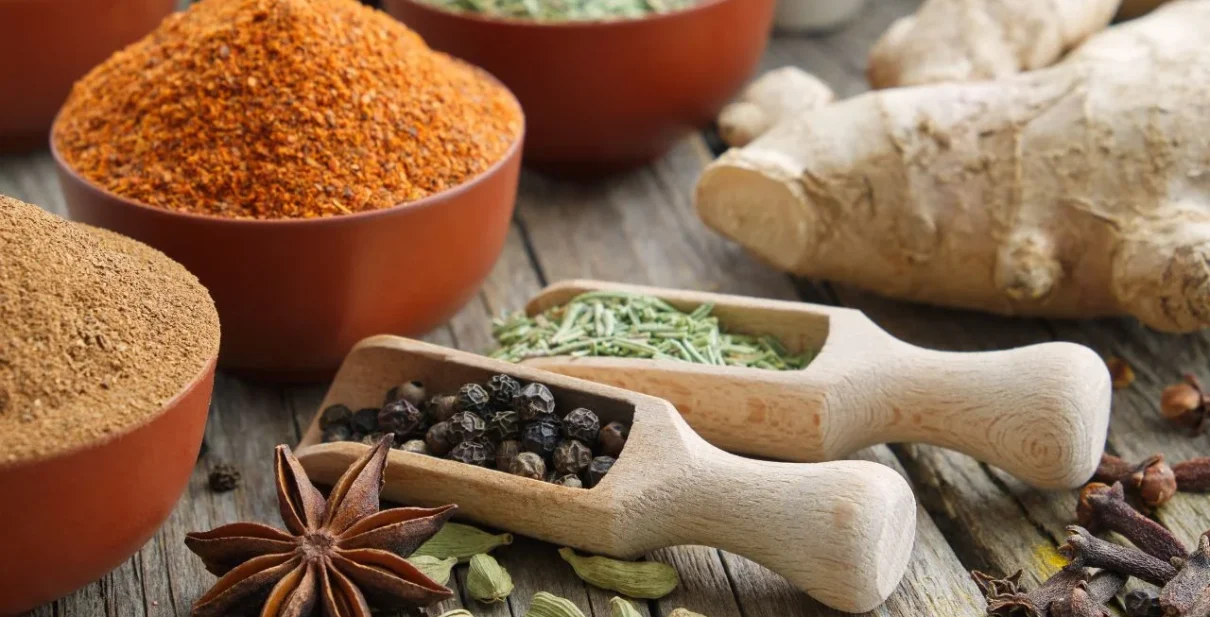
India has been the world’s spice capital for centuries, supplying over 70% of global spice production. For importers and wholesalers looking to source authentic, high-quality Indian spices, understanding the sourcing landscape is essential. This comprehensive guide walks you through everything you need to know about importing premium spices from India.
Why Source Spices from India?
India’s diverse climate zones, rich soil, and traditional cultivation methods create ideal conditions for growing a wide variety of spices. From the turmeric fields of Telangana to the pepper plantations of Kerala, each region specializes in producing specific spices with unique flavor profiles and quality characteristics.
Indian spices are renowned for their:
- Authentic flavor and aroma preserved through traditional processing
- Competitive pricing due to large-scale production
- Diverse variety with over 50 different spices commercially cultivated
- Established export infrastructure with reliable logistics networks
- Global certifications meeting international food safety standards
Key Factors to Consider When Sourcing
1. Quality Standards and Certifications
Before placing your order, verify that your supplier provides necessary certifications such as FSSAI (Food Safety and Standards Authority of India), Spice Board certifications, APEDA registration, and ISO compliance. These documents ensure the spices meet international safety and quality standards.
Request lab test reports showing:
- Moisture content levels
- Purity percentage
- Microbial contamination tests
- Pesticide residue analysis
- Color and aroma specifications
2. Understanding Grading Systems
Different spices have different grading criteria. For instance, black pepper is graded based on size and pungency (Tellicherry being the premium grade), while turmeric is graded by curcumin content and color intensity. Familiarize yourself with these grading systems to ensure you receive the quality you’re paying for.
3. Seasonal Variations
Spice availability and pricing fluctuate based on harvest seasons. Planning your procurement calendar around harvest times can result in better pricing and fresher products. For example, turmeric is typically harvested between January and March, while black pepper harvest occurs from December to February.
The Sourcing Process: Step by Step
Step 1: Research and Supplier Verification
Begin by researching reputable exporters with proven track records. Check their business licenses, export history, and client testimonials. Working with established companies like ASP VYAPTHAA ensures reliability and quality consistency.
Step 2: Request Samples
Before committing to bulk orders, always request product samples. Evaluate the aroma, color, texture, moisture content, and taste. Compare samples from multiple suppliers if needed.
Step 3: Negotiate Terms
Discuss pricing, payment terms, minimum order quantities, packaging options, and delivery schedules. Clarify incoterms (FOB, CIF, CFR) to understand cost breakdowns and responsibilities.
Step 4: Documentation and Compliance
Ensure all export documentation is complete, including commercial invoice, packing list, certificate of origin, phytosanitary certificate, and quality certificates. Your supplier should handle most of this paperwork.
Step 5: Quality Inspection
Consider third-party inspection services for large orders. Pre-shipment inspections verify that products match specifications before they leave the port.
Step 6: Logistics and Delivery
Coordinate with your freight forwarder or rely on your supplier’s logistics expertise. Track your shipment and maintain communication throughout the delivery process.
Common Challenges and How to Overcome Them
Challenge 1: Quality Inconsistency
Solution: Establish clear quality parameters in your purchase agreement and conduct regular quality audits with your supplier.
Challenge 2: Communication Barriers
Solution: Work with suppliers who have dedicated international sales teams and clear communication channels.
Challenge 3: Documentation Delays
Solution: Start the documentation process early and work with experienced exporters who understand international trade regulations.
Challenge 4: Price Volatility
Solution: Consider long-term contracts with price stabilization clauses or purchase during harvest seasons for better rates.
Best Practices for Long-Term Success
- Build relationships with your suppliers through consistent communication
- Visit supplier facilities when possible to verify operations firsthand
- Start with smaller trial orders before scaling up
- Maintain quality records for each shipment for future reference
- Stay informed about market trends and regulatory changes
- Diversify your supplier base to mitigate risks
Sourcing premium Indian spices requires careful planning, supplier verification, and ongoing quality management. By following these guidelines and partnering with reliable exporters, you can build a sustainable supply chain that delivers consistent quality to your customers.
At ASP VYAPTHAA Global Exports, we simplify the sourcing process by providing transparent communication, certified quality products, and comprehensive export support. Whether you’re a first-time importer or an experienced buyer, our team is ready to assist you.
Ready to start sourcing? Contact us at info@aspvyapthaa.com or call +91-9391713809.
